Why growth-stage brands need promotional targeting more than enterprise retailers

There's a common belief in eCommerce: promotional optimization is for big brands with big budgets and high traffic.
Small brands should focus on acquisition first. Optimization comes later.
This is backwards. Optimization isn't what you do after you succeed. It's how you get there.
Why enterprise can afford waste (and you can't)
When you're an enterprise retailer doing £50M in annual revenue with a healthy margin cushion, promotional waste is expensive but not existential.
You give 15% off to everyone who lands on your site. Some people needed the discount to convert. Some didn't. The margin hit is annoying, but you absorb it and move on.
When you're a growth-stage brand doing £2M in revenue at tight margins? Every percentage point matters.
Giving 15% off to someone who would have bought at full price isn't good customer experience. It's margin erosion you can't afford.
The difference isn't in how discounts and promotions work. The difference is in how much waste you can absorb.
Enterprise retailers have a cushion. You don't.
The real barrier isn't traffic volume
Here's the objection that always comes up: "You need high traffic to test promotional strategies."
The logic goes like this. You need A/B testing to optimize conversions. Testing requires statistical significance. Small brands don't have enough volume. Therefore, stick with blanket discounts until you're bigger.
But this misses the point entirely.
You don't need A/B testing to know that not everyone needs a discount to convert.
You don't need six months of statistical data to understand that high-intent visitors behave differently from low-intent browsers.
Someone who's visited your site three times, spent eight minutes browsing, added items to their shopping cart, and returned the next day? That's high intent. They're close to buying.
Someone who landed from a generic Google search, bounced after fifteen seconds, and never came back? That's low intent. They might need an incentive.
You don't need enterprise traffic to see this difference. You just need to stop treating both visitors the same.
A homeware brand notices that visitors who view product videos and read reviews convert at 12%, while those who view only one product page convert at 2%. The high-engagement group doesn't need a 15% off code to make a purchase. The low-engagement group might.
The actual barrier to eCommerce CRO isn't traffic volume. It's the assumption that personalization requires sophisticated infrastructure you don't yet have.
It doesn't. It requires stopping the waste you're already carrying.
The promotional waste you're already carrying
Here's a stat that should bother every eCommerce marketer: 62% of consumers are predominantly discount-oriented, choosing to wait for discounts rather than buy at full price.
Read that again.
You're not protecting conversions with blanket promotions. You're giving away margin to people who have already made up their minds.
Let's walk through the math at £100k monthly revenue.
You're running a 15% off promotion to incentivize purchases. (Most retail brands are.) Around 60% of your orders use the code. That's £9k in promotional costs per month.
Your margin is 40%. That means you're making £40k gross profit.
But here's the thing. If even half of those discount users didn't actually need the incentive to convert—and the research says most didn't—you just gave away £4.5k for nothing.
Per month. That's £54k in recoverable margin per year.
For a growth-stage brand, that's not a rounding error. That's the hiring budget. That's the paid media budget. That's a survival margin.
This isn't a conversion problem. It's a promotional spend optimization problem disguised as customer experience.
Promotional targeting works at any scale
So what does behavioral targeting actually require?
Not enterprise infrastructure. Not six-figure budgets. Not millions of monthly visitors.
It requires three things:
First, understanding which visitors show buying intent and which don't. Time on site, pages viewed, cart interactions, return visits, engagement with product content. These signals exist at any traffic level.
Second, showing promotions only when they'll actually change behavior. If someone's hesitating, unsure, price-comparing across tabs? An offer might convert them. If someone's already decided and heading to checkout? The offer just costs you a margin.
Third, keeping a margin on conversions that were happening anyway. Not everyone needs convincing. Stop paying to convince them.
This approach works for 10,000 monthly visitors. It works at 100,000 monthly visitors. It works at 1,000,000 monthly visitors.
The math just matters more when you're smaller.
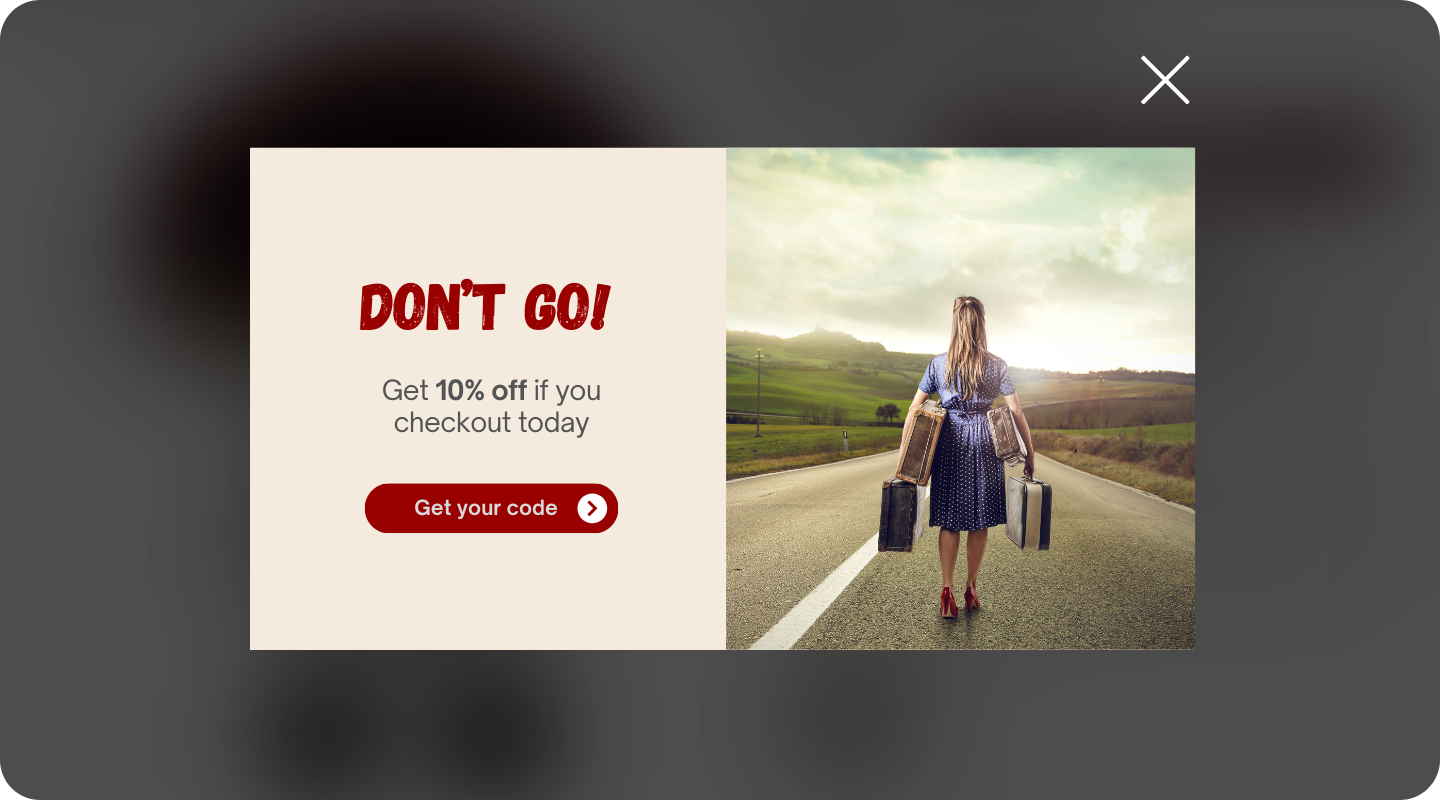
A sports equipment retailer implemented intent-based targeting on their eCommerce platform. High-intent visitors (multiple sessions, product comparison, cart additions) saw no promotion. Low-intent visitors (single session, quick browsing) saw a 10% off exit-intent offer. Conversion rate stayed the same. Profit margin increased by 4.2 percentage points.
You don't need to wait until you have enterprise traffic. You need to stop treating every visitor like they need the same incentive to buy.
The compounding defensive value
Promotional targeting isn't just about upside. It's essential to maintain profitability while everything else gets more expensive.
Customer acquisition costs keep climbing. Research shows that CAC has increased by 40% over the past two years, far exceeding general inflation.
Structural costs keep increasing. Shipping isn't getting cheaper. Payment processing fees aren't coming down. (And if you sell into the EU, parcels will carry a €3 customs duty per item from July 2026.)
Margin cushions keep shrinking.
And if you're still giving 15% off to everyone who asks—including the people who would buy at full price—you're compounding the problem.
Enterprise retailers can absorb this. They have the volume and margin buffer to weather promotional waste while everything else gets more expensive.
You can't.
Recovering promotional spend through better targeting isn't a nice-to-have; it's a must-have. It's defensive economics.
The recovered margin compounds. Reinvest it in customer acquisition. Use it to manage stock more effectively during slow periods. Put it toward improving customer experience on your eCommerce platform.
Growth-stage brands need this more because they can't afford the alternative.
What this looks like in practice
So, how do you actually implement promotional targeting without enterprise resources?
Start by mapping intent signals. Which behaviors indicate someone is close to buying? Which behaviors suggest they're just browsing?
High-intent signals: return visits within 24 hours, time spent reading product descriptions, items added to shopping cart, viewing checkout or delivery information pages, engaging with product reviews or size guides.
Low-intent signals: single-session visits, landing pages from generic search terms, quick browsing without engagement, immediate exit after viewing a single page, and no interaction with product details.
Once you've mapped intent, decide when to show a promotion and when to hold back.
If someone's showing high intent, they're engaged, they're coming back, they've added items to cart, don't immediately flash a discount code. Let them convert at full price. You'll be surprised how many do.
If someone's showing low intent, quick browse, no engagement, about to exit, that's when an offer might actually change their behavior. That's when promotional spend is worth it.
The key is measuring promotional efficiency, not just redemption rate. A 60% redemption rate sounds great until you realize most of those people didn't need the discount to buy.
Better metric: what percentage of your promotional spend actually changed someone's behavior versus what percentage just reduced margin on conversions that were already happening?
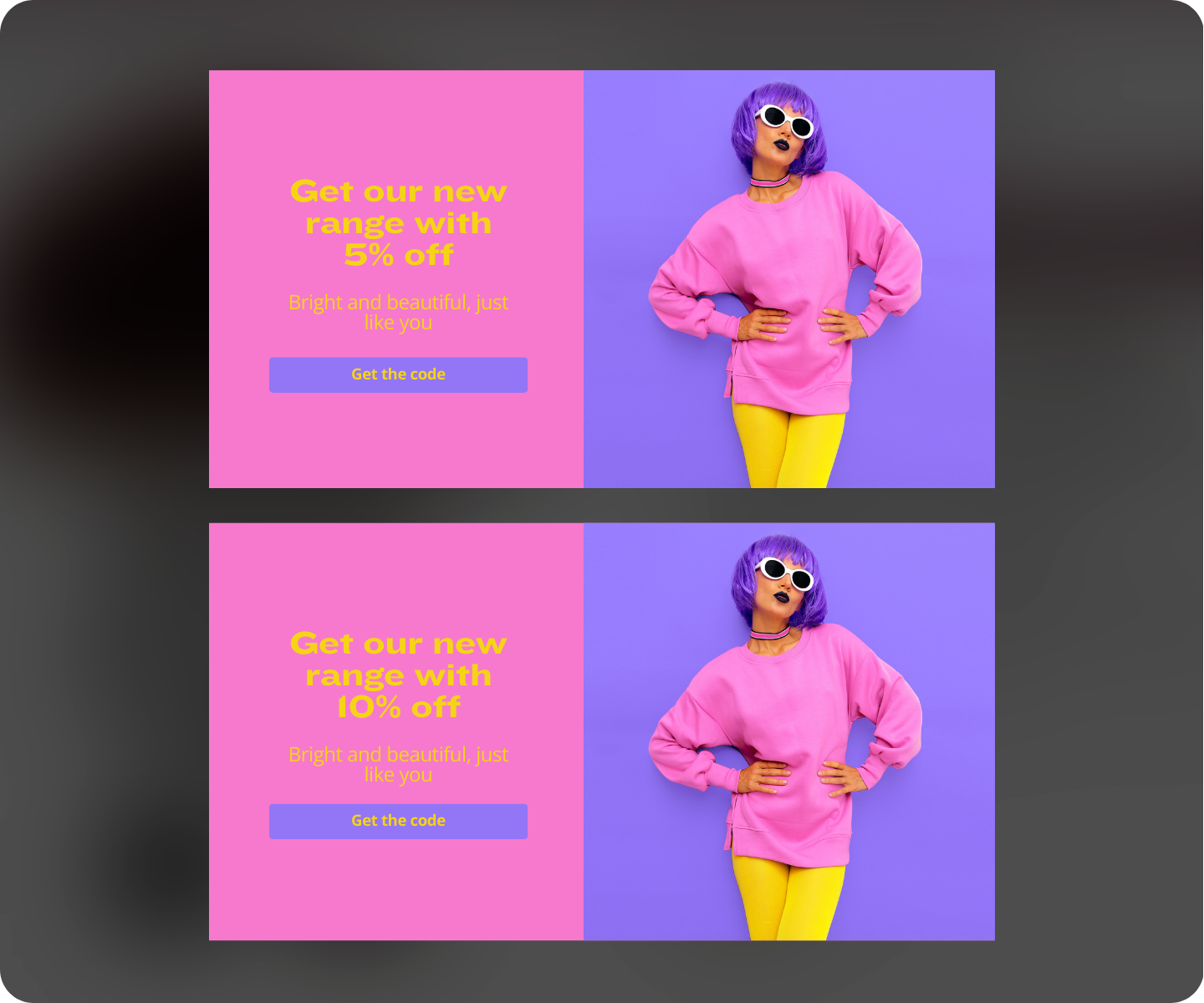
An electronics retailer A/B tested their homepage promotion banner. The control group saw a persistent 15% off code. The test group saw no promotion unless they exhibited exit behavior or low engagement. Conversion rate dropped 0.3%. Profit per order increased by 11%. Net result: 8% increase in total profit.
Start simple. Stop giving discounts to your highest-intent visitors. That alone will recover the margin you're currently giving away.
Optimization isn't gatekept by scale
The narrative that promotional optimization is for enterprise brands only doesn't protect anyone.
It just keeps growth-stage brands stuck in a cycle of blanket discounting that erodes the margin they need to grow.
You need promotional targeting more than enterprise retailers do. Not less.
Because you can't afford to keep giving away 15% to people who were already buying.
Because CAC keeps climbing, and you need every percentage point of margin you can protect.
Because optimization isn't what you do after you succeed. It's how you get there.
The brands that grow sustainably aren't the ones spending the most on acquisition. They're the ones optimizing the conversions they already have.
Promotional targeting isn't complex. It's just intentional.
Match the offer to the intent. Stop treating every visitor the same.
Keep the margin on people who don't need convincing. Use promotional spend on people who do.
That's not enterprise strategy. That's survival math.