Every place you can recover an abandoned sale (and how to think about each one)

Cart abandonment rates range from 70 to 75%. That is not a niche problem. It is the default state of eCommerce.
Most of that traffic is not gone forever. It is just gone for now. The question is: where did it go, and do you have a way to reach it?
There are more recovery channels than most retailers actively use. Each one works differently, reaches people at a different moment, and carries different expectations. Here is how to think about all of them
On-site: the first and best chance
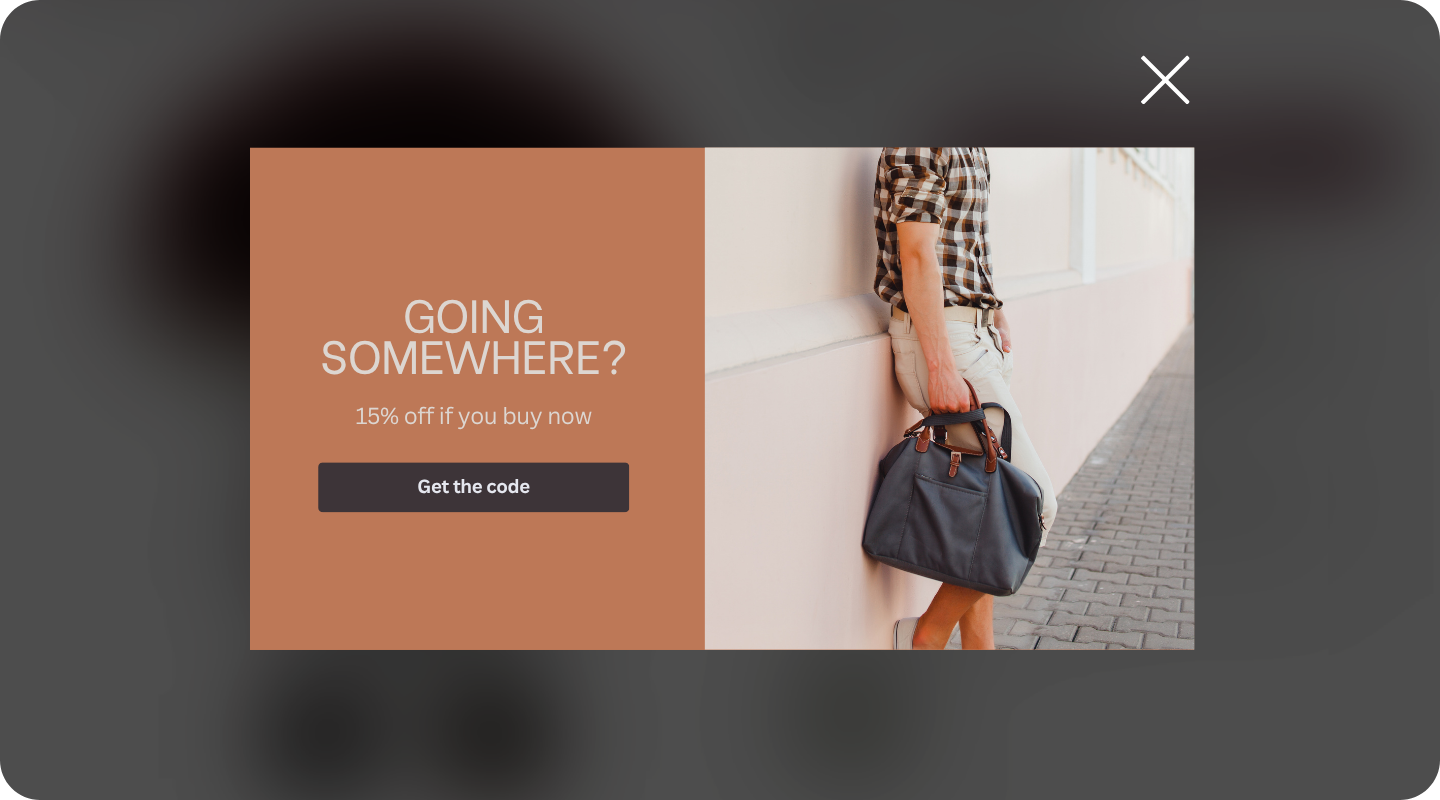
The moment a visitor starts to leave is your best shot at recovery. They are still there. You can still change what happens next.
Exit-intent overlays, scroll-based triggers, and basket-abandonment campaigns all fall under this. The advantage is immediacy. You are catching the decision in progress.
The risk is getting it wrong. Show a discount to someone who was already about to buy, and you have just given margin away. That is why on-site recovery works best when it is tied to behavior signals.
Not every abandoner needs an offer. Some just need reassurance. Others need a nudge on shipping costs. A small number genuinely need a discount to convert.
The goal is to know the difference before you act.
Retargeting ads: follow them into the next session
Someone leaves your site and, within minutes, sees your product in a display ad or a paid social post. This is retargeting.
It works because purchase decisions rarely happen in a single session. Someone browses, gets distracted, and resumes the search later. Retargeting keeps you visible during that gap.
The challenge is frequency and offer management. Hammer someone with ads for three days, and you will annoy them. Show a discount in a retargeting ad to someone who visited once and barely scrolled, and you are spending money on someone who was never close to buying.
Retargeting performs better when it is tied to the depth of intent. Someone who reached checkout deserves a different message than someone who viewed a single product page.
Email: the workhorse
Abandoned basket emails remain one of the highest-ROI channels in eCommerce. A three-email sequence typically outperforms a single send. The first goes out quickly. The second follows up. The third, if needed, can include an incentive.
The key discipline here is not to lead with a discount. A surprising number of abandoners will come back on the first email, no offer required. You are wasting money if you open with a code.
Send the reminder first. Offer something via email if the first two did not work.
Klaviyo and similar platforms make sequencing this straightforward. The logic is not complicated. Most retailers just don't build it properly.
SMS: high open rates, low patience
SMS open rates are consistently reported above 90%. That sounds compelling until you remember that people expect texts to be brief, relevant, and useful.
An abandoned-basket SMS works when it gets to the point quickly and includes a direct link. It fails when it reads like a marketing email shoved into a text box.
Keep it short. Make it personal if you can ("You left these behind"). Link directly to the basket.
One message is usually enough. Two starts to feel like a chase.
App push notifications: the underused channel
If a shopper has your app installed, you can reach them directly in a way that most competitors cannot. App push works like SMS in some ways: it has high visibility and a short shelf life.
The advantage over SMS is that push notifications carry more context. You can include a product image. You can link to a pre-populated cart. You can time it based on the user's app behavior rather than just the clock.
The obvious limitation: they need to have the app. This is a channel for your best customers, and it should be used accordingly.
WhatsApp: emerging, but proceed carefully
WhatsApp is moving into eCommerce messaging, and some retailers are experimenting with abandoned basket outreach there. The engagement rates look interesting at the moment, partly because it still feels different to other channels.
That novelty will not last. And the unwritten rule applies here even more than elsewhere: one message, clear value, no pressure.
WhatsApp conversational commerce works better as a customer service and support channel than as a pure recovery tool. Done clumsily, it feels intrusive in a way that email never does.
Direct mail: slow, expensive, occasionally brilliant
This one surprises people.
For high-value cart abandonment, physical mail can work. A beautifully produced postcard with a personalized offer and a QR code linking to a saved cart is memorable in a way that a fifth retargeting ad never will be.
The economics only stack up at higher cart values. Printing and postage for a $20 abandonment make no sense. For a $500 product or a considered purchase, it is worth modeling.
The other use case is reactivation rather than recovery. A lapsed customer who has not bought in 12 months is more likely to respond to something physical than another email they will not open.
How to think about all of this together
These channels are not competing. They work as a sequence.
On-site catches the easiest recoveries first, before the session ends. Email handles the middle tier. Retargeting stays visible in the background. SMS and push go to opted-in customers where the relationship allows it. Direct mail leads in high-value cases.
The most important principle across all of them: match the intensity of the outreach to the intent of the shopper.
A visitor who spent 20 minutes on your site, added three items to their basket, and reached the payment page is not the same as someone who clicked through from an ad and bounced after 15 seconds. They should not get the same recovery sequence.
Segment by intent, not just by behavior. And don't lead with a discount until you have exhausted the free options.