The recovery stack and why timing beats discounting
Most retailers treat cart abandonment as one problem.
It's not.
Someone who hesitates for three seconds at checkout needs a different intervention than someone who abandons and comes back three hours later.
The global average cart abandonment rate is 70.22%. That's seven out of ten visitors who add to cart but don't buy. In the US and EU alone, that translates to $260 billion in recoverable revenue annually.
Most of that revenue remains unrecovered because retailers are fishing with a single net.
Email is built for the slow abandoners. The ones who leave your site, browse elsewhere, check reviews, and compare prices. They need a reminder. A nudge. Maybe a small incentive to tip the scales.
But email doesn't catch the fast ones.
The visitors who add to cart, pause, scroll back up, look at shipping costs, and bounce within 60 seconds. By the time your abandoned cart email fires, they've already decided. You needed to intervene in that moment, not three hours later.
This is where the recovery stack works.
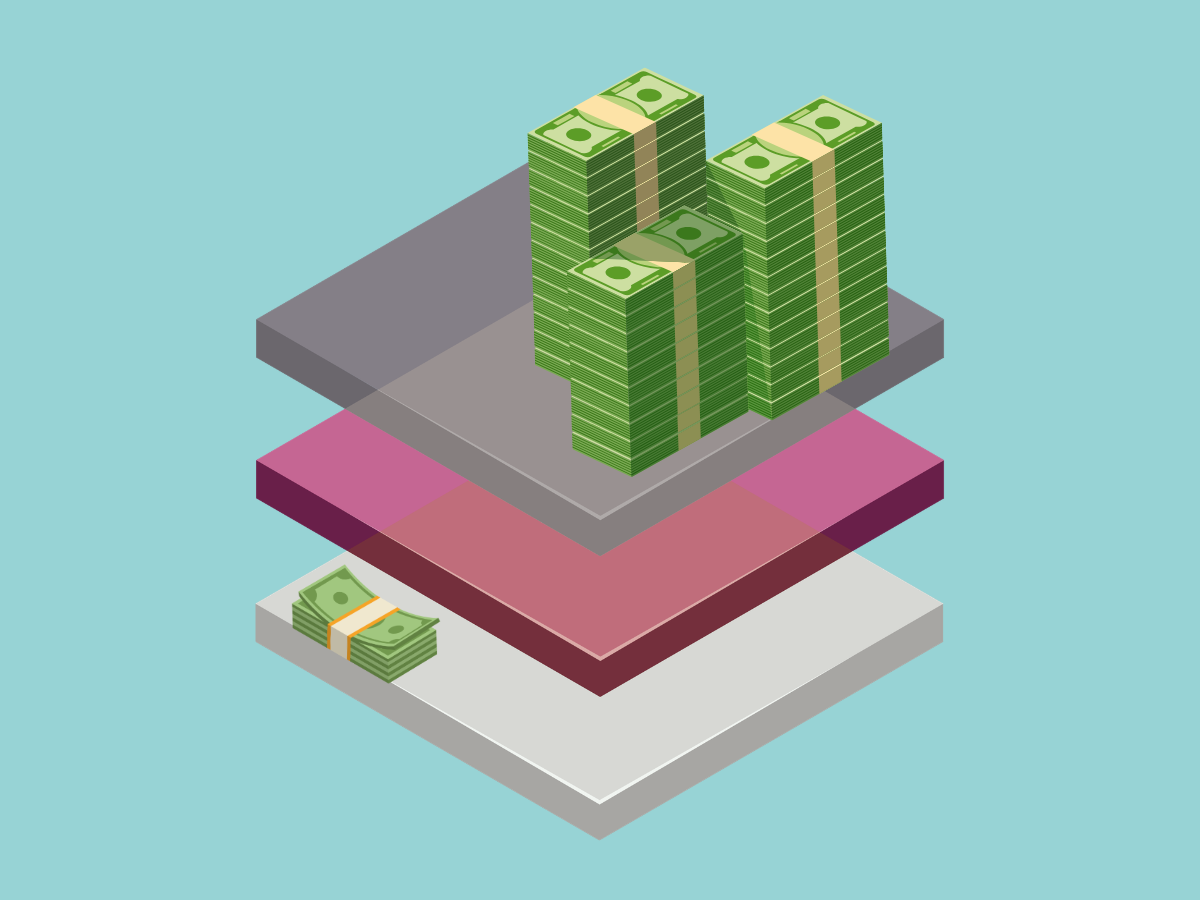
Three layers. Three different intervention speeds. Each one catches abandoners that the others miss.
Layer one: On-site offers (instant recovery)
These catch hesitation before it turns into abandonment.
Someone adds to the cart but doesn't proceed to checkout. They scroll back up. They click away from the checkout page. They're hovering over the close tab button.
That's your signal.
An on-site offer at this exact moment recovers the visitor before they leave. Not with a blanket 10% off for everyone. With a targeted intervention based on what they're doing right now.
- High cart value but long browse time: free shipping threshold message
- Multiple visits but no purchase: first-order discount
- Premium item in cart: installment payment option
- Exit intent on checkout: reassurance (returns policy, trust signals)
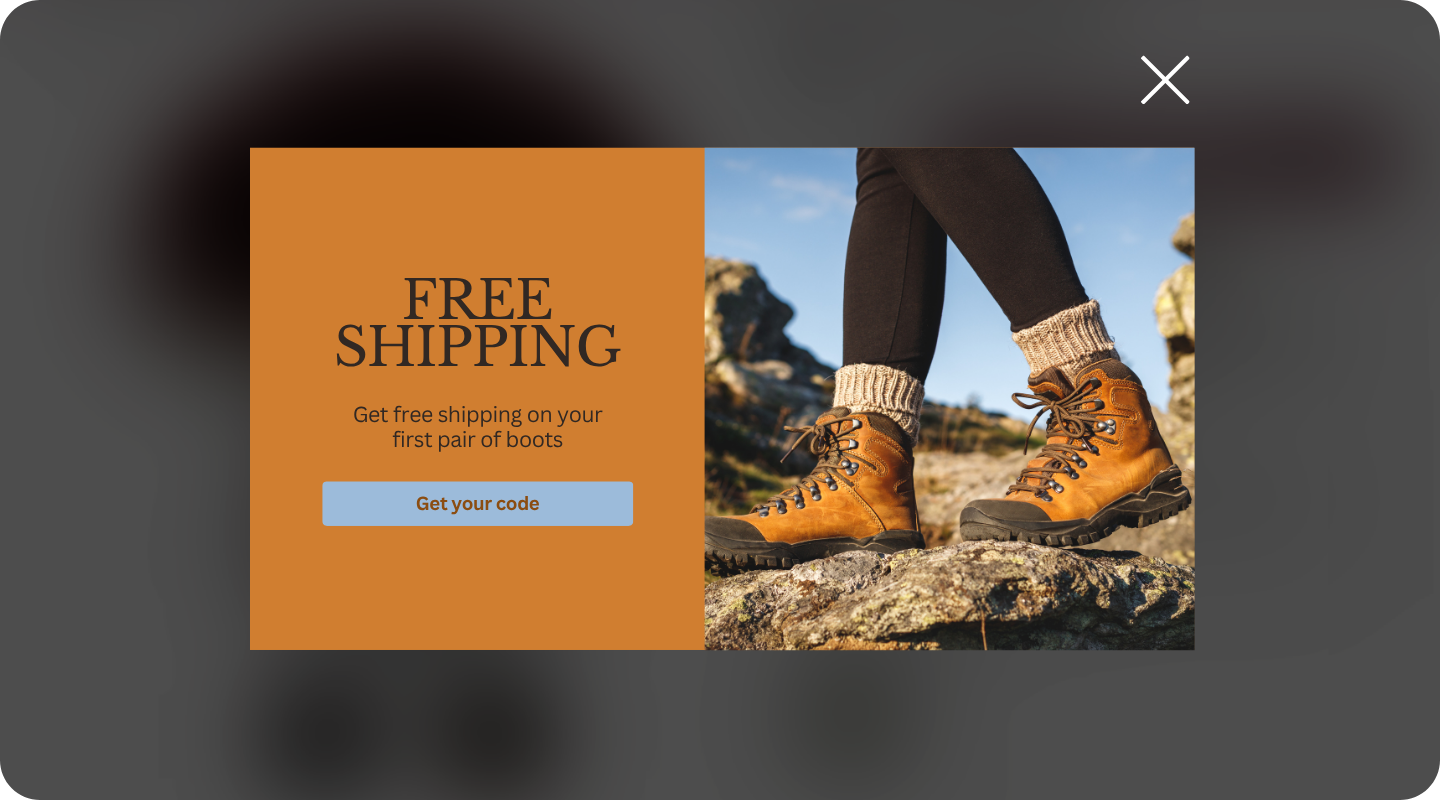
The offer architecture here matters.
Show the wrong offer (a 10% discount to someone already buying), and you've just subsidized a sale that would have happened anyway. Show the right one (free shipping to someone hesitating over delivery costs), and you've removed the actual barrier.
Test different offers at different hesitation signals. Someone bouncing on the shipping page needs a different intervention than someone bouncing on the payment page.
AI-powered pre-abandonment tools recover 30-38% by intercepting exit intent in real time. That's 10x better than email-only recovery because you're catching the problem before it becomes a lost sale.
Layer two: Chat and WhatsApp (minutes-later recovery)
These catch the fast abandoners who left but haven't moved on yet.
Someone abandons within 2-10 minutes. They're still in buying mode. Still on their phone. Still thinking about the product.
AI chat can catch them while they're still on-site. "Need help with checkout?" works when the question is still on their mind.
WhatsApp follows up within minutes for those who've just left. "You left [product] in your cart. Want me to hold it for you?" hits differently when it arrives 90 seconds after they closed the tab versus three hours later.
88% of WhatsApp messages are read within five minutes of delivery.
Compare that to traditional email: email recovery achieves 3.33%.
The difference isn't the channel. It's the speed.
This layer needs speed, not depth. Keep it simple. Remove friction. Get them back to checkout fast.
The offer here (if you use one) should match the intervention speed. Small, fast, friction-removing. Not "here's 15% off" but "I've unlocked free shipping for the next hour."
Layer three: Email (hours-later recovery)
This is your safety net, not your only net.
Email catches everyone else. The people who abandoned, went to lunch, checked competitor sites, and got distracted. They need a reminder of their interest.
Most brands stop here. One abandoned cart email with a 10% discount code.
But if layers one and two are working, the people reaching layer three are your hardest-to-convert visitors. They've ignored the onsite offer. They didn't respond to chat. They're price shopping or genuinely unsure.
Your email sequence should reflect that.
- Email one (3-6 hours): Reminder with product benefits and social proof
- Email two (24 hours): Address common objections (shipping, returns, sizing)
- Email three (48-72 hours): Discount, but only if the previous two didn't work
The architecture here is progressive. Don't lead with the discount. See if you can recover them without it first.
Emails sent within 1 hour convert at 20.3%, while those sent after 24 hours drop to 12.2%. Even at the slower end of the recovery stack, timing still matters.
Sending 3 recovery emails recovers 37% more carts than 1 email. But you're still only recovering a fraction of what layers one and two already caught.
Why the stack works
Each layer catches a different abandonment speed.
- On-site offers: 0-60 seconds (instant hesitation)
- Chat/WhatsApp: 1-10 minutes (fast abandoners)
- Email: 3+ hours (slow abandoners)
SMS recovery achieves 26% higher recovery than email alone. Add WhatsApp, and you're recovering 60-79% of carts versus 3.33% with email only.
That's not 26% better. That's 20x better.
But here's what most retailers miss: each layer needs different offer architecture.
Instant recovery (onsite) works best with friction removal. Free shipping. Payment options. Reassurance. The barrier is right in front of them, so remove it.
Fast recovery (chat/WhatsApp) works with urgency and simplicity. Hold the item. Limited-time unlock. Get them back to checkout before they overthink it.
Slow recovery (email) works with value reinforcement. Remind them why they wanted it. Answer objections. Discount only as a last resort.

Test the architecture, not just the discount depth
Most A/B tests focus on the discount percentage. 10% versus 15%. Free shipping versus £5 off.
That misses the bigger opportunity.
Test the offer type against the hesitation signal.
- Does a free shipping message at exit intent outperform a 10% discount?
- Does a "hold this item" WhatsApp message recover more than a "here's 10% off" message?
- Does email sequence A (no discount until email three) outperform sequence B (discount in email one)?
The best offer isn't the biggest discount. It's the right intervention at the right moment.
Where to start
If you're only using email right now, add layer one first.
On-site offers give you the highest-intent visitors. The ones who are already in your checkout flow. Recover them before they leave, and you've prevented abandonment entirely, not just recovered it later.
Then add layer two (chat or WhatsApp for fast follow-up).
Then optimize layer three (your email sequence).
Each layer stacks. Each one catches abandoners that the others miss.
Email alone recovers 3.33% of abandoners. Add real-time interventions, and that number jumps to 30-79% depending on speed and offer architecture.
Because abandonment isn't one problem. It's three different moments, each needing a different speed and a different offer.
Treat it that way, and you'll recover revenue everyone else is leaving on the table.